Category: Uncategorized

Bovista nigrescens Pers.

IMG_5327

ALL

ადგილობრივი სახელწოდება
შავი ფშუკუნა (1), კუსკუსელა, დათვის ქაჩქაჩა (მოხ.), ბურნუთა (კახ.), ცუანა სოკო (იმერ.), გუდაფშუკა (გურ.), ძილგუდა, ყოვთ-საცუარა (ფშავ.), ეშმაკის ბურნუთი (ქართ.), გუდაფშუტა (ლეჩ.), ტურაში რსინი, ლურიშგუდა (მეგრ.), მალათუს (სვან.) (2), საცუარაი (თუშ.) (3), კუსკუსელა, კუსუსა (მოხ.), დათვის ქაჩქაჩა, ყოვის საჩუარა (მთიულ.), ყვავთ კუსა (ხევს.), ყვავთ ყველი (თუშ.) (4), მჩუანა, ძილგუდა, ფშოკურა, გუდაფშუტა, (რაჭ.) (5), გველაფშუტა (ზემ. იმერ.) (6), კოკოშოლ, მავლა თუს (სვან.) (7).

აღწერა
ნაყოფსხეული — ბურთისებრი, 2–8 სმ-მდე დიამეტრის, ზემოთ ოდნავ ვიწროვდება. თავდაპირველად მოთეთრო, შემდეგ მოშავო-მურა. თეთრი, აპკისებრი გარეთა გარსით, რომელიც მალევე ქრება. თხელი, გლუვი და მკვრივი შიგნითა გარსით, რომელიც თავდაპირველად მოყვითალო ფერისაა, ხოლო შემდეგ შემდეგ მოშავო-მურა ხდება. შიგთავსი ჯერ თეთრი, შემდეგ მომწვანო-მოჟანგისფრო ან მეწამული-მურა. სპორები — სფეროსებრი ან კვერცხისებრ-ელიფსური, მეწამული-მურა-მოწითალო, უფერული დანამატით, 5–6 მკმ.
ჰაბიტატი — იზრდება ნიადაგზე, უმეტესად მდელოებსა და მინდვრებში, ასევე, ტყისპირებშიც, ზაფხულ-შემოდგომით.
გავრცელება — მთელ საქართველოში (8).

გამოყენება
საჭმელ სოკოდ ითვლება, საკვებად გამოიყენება ნორჩი, ვიდრე რბილობი გაუმუქდება (1).

თუშეთი — „საცუარას ცხვარს აყრიან წყრულზე, მოუშრობს“ (3). რაჭა — „ძილგუდა, მცირე ზომის მრგვალი სოკოა, საძოვრებზე იზრდება. მომწიფებული გარედანაც და შიგნიდანაც შავი ფერისაა. გული მტვრისებრია. ჭრილობის მოსაშუშებლად ხმარობენ, ფშოკურა, გუდაფშუტა“ (5). იმერეთი — „სისხლისდენის შესაწყვეტად იყენებენ“ (6). გურია — „გუდაფშუკა სოკოს სახელია. მოჭრილის წამლად ხმარობენ“ (9). სვანეთი — „შემოდგომის თეთრი პატარა სოკოები, ხმობის შემდეგ შიგნით შავი მტვერითაა სავსე“ (7), „მალათუს, ბალახზე ამოდის, თეთრია მერე შავდება, იჭმევა ახალი“ (10), „მალათუსი გარედანაც უნდა აშავდეს, სანამ კვამლი გამოვა ვაგროვებთ, ვინახავთ ზამთრისთვის სისხლდენის შესაჩერებლად და ჩირქის ამოსაყვანად“ (12). ხევი — „კუსკუსელა, ფუთქურა სოკო, კუსკუსელას ბოლოსღა გაუგეთ გემო, თურმე უგემრიელესი ყოფილა“ (11).

შენიშვნა: ადგილობრივი მოსახლეობა გვარ Bovista-ს და Lycoperdon-ის უმეტეს წარმომადგენელს ხშირ შემთხვევაში ერთმანეთისგან ვერ ანსხვავებს და ერთი და იგივი სახელს უწოდებს.

წყარო
1. ნახუცრიშვილი, ი. (2007) საქართველოს სოკოები. თბილისი: ბუნება პრინტი.
2. მაყაშვილი, ა. (1991) ბოტანიკური ლექსიკონი: მცენარეთა სახელწოდებანი. საქ. მეცნ. აკად., ნ. კეცხოველის სახ. ბოტანიკის ინ-ტი. – მე-3 გამოცემა. თბილისი: მეცნიერება.
3. ცოცანიძე, გ. (2012) თუშური ლექსიკონი. თბილისი: ბაკურ სულაკაურის გამ-ბა.
4. შანიძე, ა. (1984) ქართული კილოები მთაში. თხზულებანი 12 ტომად. ტომი I. საქ. სსრ მეცნ. აკად., თბილისის სახ. უნ-ტი. – თბილისი: მეცნიერება.
5. კობახიძე, ა. (1987) რაჭული დიალექტის ლექსიკონი. საქ. სსრ მეცნ. აკად., ენათმეცნ. ინ-ტი – თბილისი: მეცნიერება.
6. ღლონტი, ალ. (1974) ქართულ კილო-თქმათა სიტყვის კონა. თბილისი: განათლება.
7. ლიპარტელიანი, ა. (1994) სვანურ-ქართული ლექსიკონი: ჩოლურული კილო. თბილისი.
8. ნახუცრიშვილი, ი., ყანჩაველი, ქ. და სხვ. (1986) საქართველოს სპოროვან მცენარეთა ფლორა (კონსპექტი). საქ. სსრ მეცნ. აკად., ნ. კეცხოველის სახ. ბოტანიკის ინ-ტი. – თბილისი: მეცნიერება (რუსულად).
9. ჟღენტი, ს. (1936) გურული კილო: გამოკვლევა, ტექსტები, ლექსიკონი. აკად. ნ. მარის სახ. ენის, ისტორიისა და მატერ. კულტ. ინ-ტი. – ტფილისი: სსრკ მეც. აკად. საქ. ფილ. გა-ბა.
10. ონიანი, ა. (1917) მეგმარეშ ი ბალხარე ჟახელე ხორავ. – პეტროგრადი: მახლარე-აკადემიაი ლებქედარ (სვანურად).
11. ღუდუშაური, ი. (2011) მოხეურ სიტყვათა ლექსიკონი. ალექსანდრე ორბელიანის საზ-ბა. – თბილისი.
12. გუჯეჯიანი, ჩ. (2014) მესტია.

Local Name
Shavi pshuk’una (1), K’usk’usela, Datvis kachkacha (mokh.), Burnuta (kakh.), Tsuana sok’o (imer.), Gudapshuk’a (gur.), Dzilguda, Q’ovt-Satsuara (pshav.), Eshmak’is burnuti (kart.), Gudapshut’a (lechkh.), T’urashi rsini, Lurishguda (meg.), Malatus (svan.) (2), Satsuarai (tush.) (3), K’usk’usela, K’usk’usa (mokh.), Datvis kachkacha, Q’ovis Sachuara (mtiul.), Q’vavt k’usa (khevs.), Q’vavt q’veli (tush.) (4), Mchuana, Dzilguda, Pshok’ura, Gudapshut’a, (rach.) (5), Gvelapshut’a (z. imer.) (6), K’ok’oshol, Mavla Tus (svan.) (7).

Description
Fruit body: The fruitbody is 2–8 cm across, subglobose, slightly pointed below, without a sterile base but attached to the substrate by a single mycelial cord which often breaks leaving the fruit body free to roll about in the wind, outer wall white at first, flaking off in large scales at maturity to expose the dark purple-brown to blackish inner wall enclosing the spore mass and opening by a large irregular pore or extensive splitting and cracking. Gleba dark purple-brown. Spores: The spores are 5 X 6 µm, broadly ellipsoid to subglobose, brownish-reddish-purple.
Habitat: Mainly in grass and pastureland. Season: Summer, autumn.
Distribution: All regions of Georgia (8).

Uses
Edibility: Edible when young and fresh (1).

Tusheti — “Satsuara fungi often used for the treatment of the sheep ulcers” (3). Racha — “Dzilguda is a small and roundish fungi and can be often found in pasturelands, it’s blackish when mature” (5). Imereti — “The fungi were used to stop bleeding by pouring the contents of the fruit-bodies onto wounds” (6). Guria — “Gudapshuk’a is the name of a small fungi, which is often used for the cicatrize of wounds” (9). Svaneti — “These fungi are often found in autumn, whitish and small in size, when they’re dried their content become as the black dust” (7), “Malatus fungi are often found in grassy areas, they are white at first, then become blackish. Malatus is edible when young and fresh” (10), “Malatus must become blackish from outside, we gather them to store for the winter, it is often used for the termination of bleeding and for the treatment of the pus” (12). Khevi — “K’usk’usela, Putkura sok’o — very tasty fungi” (11).

Note: Locals often can’t see difference between the most parts of Bovista and Lycoperdon representatives, and they use the same name for the fungi from both species.

References
1. Nakhutsrishvili, I.G. (2007) Fungi of Georgia. Tbilisi: Buneba Printi.
2. Makashvili, A. (1991) Botanical Dictionary. Tbilisi: Metsniereba.
3. Tsotsanidze, G. (2012) Tushetian dictionary. Tbilisi: Bakur Sulakauri Publishing.
4. Shanidze, A. (1984) Georgian mountain dialects. Collected Works in 12 Volumes. Vol. I. Academy of Sciences of the Georgian SSR. Tbilisi State University. Tbilisi: Metsniereba.
5. Kobakhidze, A. (1987) Dictionary of the Rachan Dialect. Tbilisi: Metsniereba.
6. Ghlonti, A. (1974) Dictionary of the Georgian Dialects. Vol. I. Tbilisi: Ganatleba.
7. Liparteliani, Aslan (1994) Svan-Georgian dictionary. Cholur dialect. Tbilisi.
8. Nakhutsrishvili, I.G., et al. (1986) Flora of Spore-producing Plants of Georgia (Summary). Tbilisi: Metsniereba (Russian).
9. Zhghenti, S. (1936) Gurian dialect. Tiflis: Publishing House of the Georgian Branch of the Academy of Sciences of the USSR.
10. Oniani, A. (1917) Collection of Svanetian Names of Trees and Shrubs (on Lashkhuri Dialect), Materials on Japhetic linguistics. Vol. VIII. Petrograd: Academy of Sciences Press.
11. Ghudushauri, I. (2011) Mokhevian dialect dictionary. Tbilisi.
12. Gujejiani, Ch. (2014) Mestia.

Boletus edulis Bull.

100_0543

ALL

ადგილობრივი სახელწოდება
დათვის სოკო, ძირბუკა (1), ბებერა-სოკო (კახ.), ბებრის სოკო (კახ.), კრიანტელი (რაჭ.), დედაბერა (იმერ.), ძირბუკა (ზემ. იმერ.) (2), დათვის ზოკო (თუშ.) (3), დედაბერა (გურ., იმერ., ოკრიბ., ლეჩხ.) (4).

აღწერა
ქუდი — 8–30 სმ-მდე დიამეტრის (ზოგჯერ უფრო დიდებიც გვხვდება). თავდაპირველად ნახევარსფეროსებრი, შემდეგ ბალიშისებრი, ზოგჯერ უფრო ბრტყელი, ქეჩისებრ-ქერცლოვან ზედაპირზე ზოგჯერ ახასიათებს ნახეთქები. ქუდის ფერი ვარირებს მოთეთროდან მურა-მოყავისფრომდე. ჰიმენოფორი თავდაპირველად მოთეთრო-მოყვითალოა, შემდეგ მომწვანო-წენგოსფერი, წვრილი, მრგვალფორებიანი მილებით. ფეხი — 8–20 სმ-მდე სიგრძის და 3–6 სმ-მდე სისქის, თავდაპირველად მკვრივი და მასიური, კასრისებრი, ღია მოყვითალო-მოთეთრო-მოყავისფრო, ძირისკენ უფრო გასქელებული, მოთეთრო, ზოგჯერ მურა შეფერილობის ბადისებრი ძარღვებით დაფარული ზედაპირით. რბილობი — მკვრივი, თეთრი ან მოთეთრო, ახასიათებს სუსტად გამოხატული რბილი სუნი და გემო. სპორები – ელიფსური ან თითისტარისებრი, მომწვანო-მოყვითალო ან წენგოსფერი, ან მურა-ზეთისხილისფერი, 14–17 X 4–5 მკმ.
ჰაბიტატი — იზრდება ნიადაგზე, ფოთლოვან და წიწვოვან ტყეში, ზაფხულ-შემოდგომით.
გავრცელება — მთელ საქართველოში (5).

გამოყენება
კარგ და ძვირფას საჭმელ სოკოდ ითვლება, საკვებად გამოიყენება როგორც ახალი, ასევე, გამშრალი, დამუჟუჟებული და დამწნილებული (1).

თუშეთი — „დათვის ზოკოჲ საჭმელი სოკოების სახეობაა. დათვის ზოკო წინავ არა ჭამიან, შხამიანიავ, ახლა დიწყეს ცხვათ ხედულ — სხვათა მიბაძვით“ (3). რაჭა — „კრიანტელი — საუკეთესო სოკოა, ზემოდან მოყვითალო-ყავისფერია, ქვემოდან თეთრი. მსხვილი ფეხი აქვს“ (6).

შენიშვნა: ღრუბლისებური ჰიმენოფორის მქონე სოკოებს თითქმის ყველას დათვის სოკოთი ან ბებერა სოკოთი მოიხსენიებენ.

წყარო
1. ნახუცრიშვილი, ი. (2007) საქართველოს სოკოები. თბილისი: ბუნება პრინტი.
2. მაყაშვილი, ა. (1991) ბოტანიკური ლექსიკონი: მცენარეთა სახელწოდებანი. საქ. მეცნ. აკად., ნ. კეცხოველის სახ. ბოტანიკის ინ-ტი. – მე-3 გამოცემა. თბილისი: მეცნიერება.
3. ცოცანიძე, გ. (2012) თუშური ლექსიკონი. თბილისი: ბაკურ სულაკაურის გამ-ბა.
4. ღლონტი, ალ. (1974) ქართულ კილო-თქმათა სიტყვის კონა. თბილისი: განათლება.
5. ნახუცრიშვილი, ი., ყანჩაველი, ქ. და სხვ. (1986) საქართველოს სპოროვან მცენარეთა ფლორა (კონსპექტი). საქ. სსრ მეცნ. აკად., ნ. კეცხოველის სახ. ბოტანიკის ინ-ტი. – თბილისი: მეცნიერება (რუსულად).
6. კობახიძე, ა. (1987) რაჭული დიალექტის ლექსიკონი. საქ. სსრ მეცნ. აკად., ენათმეცნ. ინ-ტი – თბილისი: მეცნიერება.

Local Name
Datvis sok’o, Dzirbuk’a (1), Bebera-sok’o (kakh.), Beberis sok’o (kakh.), K’riant’eli (rach.), Dedabera (imer.), Dzirbuk’a (z. imer.) (2), Datvis zok’o (tush.) (3), Dedabera (gur., imer., okrib., lechkh.) (4).

Description
Cap: The cap is 8–30 cm across, brown often with a whitish bloom at first gradually lost on expanding leaving a white line at the margin, smooth and dry initially becoming greasy, in wet weather slightly viscid and polished. Tubes are white, then becoming grey-yellow. Stem: The stem is 8–20 cm tall, 3–6 cm thick, robust, pallid with white net. Flesh: The flesh is white or whitish, unchanging, flushed dirty straw-colour or vinaceous in cap, taste and smell pleasant. Spores: The spores are 14–17 X 4–5 µm, elliptic or spindle-shaped, olivaceous or brownish-yellowish.
Habitat: On soils, coniferous, broad-leaved or mixed woodland. Season: Summer, autumn.
Distribution: All regions of Georgia (5).

Uses
Edibility: Edible when fresh, dry and marinated (1).

Tusheti — “Datvis zok’o is an edible mushroom. Before we started to eat these mushrooms we thought that it was inedible, even poisonous, but it was earlier. When the locals noticed that almost everyone around them eat it, they also started to eat these mushrooms” (3). Racha — “K’rinat’eli is the best mushroom, with brownish-yellowish cap and whitish tubes, also with robust stem” (6).

Note: Almost every mushroom with spongelike hymenophore is called Datvis sok’o or Bebera sok’o.

References
1. Nakhutsrishvili, I.G. (2007) Fungi of Georgia. Tbilisi: Buneba Printi.
2. Makashvili, A. (1991) Botanical Dictionary. Tbilisi: Metsniereba.
3. Tsotsanidze, G. (2012) Tushetian dictionary. Tbilisi: Bakur Sulakauri Publishing.
4. Ghlonti, A. (1974) Dictionary of the Georgian Dialects. Vol. I. Tbilisi: Ganatleba.
5. Nakhutsrishvili, I.G., et al. (1986) Flora of Spore-producing Plants of Georgia (Summary). Tbilisi: Metsniereba (Russian).
6. Kobakhidze, A. (1987) Dictionary of the Rachan Dialect. Tbilisi: Metsniereba.

Auricularia auricula-judae (Bull.) J. Schröt.

Auricularia auricula-judae

ALL

ადგილობრივი სახელწოდება
გარდამრიდა, ყურა სოკო (1), ყურჭატა (გურ.) (1), კაცისყურა (2).

აღწერა
ნაყოფსხეული — მჯდომარე, ადამიანის ყურის ფორმის, 3–15 სმ-მდე დიამეტრის, ნაოჭიანი, ელასტიური, ცვილისებრი, გარედან მოყვითალო-მოყავისფრო, მონაცრისფრო ან ხორცისფერი, წვრილხავერდოვანი. შიგნითა მხრიდან გლუვი და უფრო მუქი ფერის. რბილობი — ცვილისებრი, გამჭვირვალე, გახმობისას პერგამენტისებრი. სპორები — ელიფსური, გლუვი, 12–19 X 4–8 მკმ.
ჰაბიტატი — იზრდება ზაფხულში და შემოდგომაზე, ცოცხალ და გამხმარ ფოთლოვან ხეებზე, განსაკუთერებით დიდგულაზე და მურყანზე.
გავრცელება — მთელ საქართველოში (3).

გამოყენება
საჭმელად გამოიყენება ნორჩობაში, ნედლი (2).

გურია — „ყურჭატაი საჭმელი სოკოს სახელია“ (4). აჭარა — „ყურჭატაი ხეებზე იზრდება, აბედივითაა, არ ვჭამთ“ (5).

წყარო
1. მაყაშვილი, ა. (1991) ბოტანიკური ლექსიკონი: მცენარეთა სახელწოდებანი. საქ. მეცნ. აკად., ნ. კეცხოველის სახ. ბოტანიკის ინ-ტი. – მე-3 გამოცემა. თბილისი: მეცნიერება.
2. ნახუცრიშვილი, ი. (2007) საქართველოს სოკოები. თბილისი: ბუნება პრინტი.
3. ნახუცრიშვილი, ი., ყანჩაველი, ქ. და სხვ. (1986) საქართველოს სპოროვან მცენარეთა ფლორა (კონსპექტი). საქ. სსრ მეცნ. აკად., ნ. კეცხოველის სახ. ბოტანიკის ინ-ტი. – თბილისი: მეცნიერება (რუსულად).
4. ჟღენტი, ს. (1936) გურული კილო: გამოკვლევა, ტექსტები, ლექსიკონი. ტფილისი: სსრკ მეც. აკად. საქ. ფილ. გა-მა.
5. კვიხაიძე, ე. (2016) სოფ. რიყეთი, ხულო.

Local Name
Gardamrida, Q’ura sok’o (1), Q’urch’at’a (gur.) (1), K’atsisq’ura (2).
Description
Fruitbody: The Fruitbody is wavy and irregular, typically ear-shaped, 3–15 cm, gathered together and attached at a central or lateral position, fertile surface (usually the “downward” one) gelatinous, tan to brown, sterile surface (usually the “upper” one) silky to downy, veined, irregular, brown, flesh thin, gelatinous-rubbery. Flesh: The flesh is waxlike, hyaloid when fresh, then parchmentlike when dry. Spores: The spores are 12–19 x 4–8 µm, elliptic, smooth.
Habitat: On branches of deciduous living or dead trees, usually on elder ones, especially on elder (Sambucus nigra) and alder-tree. Season: Summer, autumn.
Distribution: All regions of Georgia (3).

Uses
Edibility: Edible when young and fresh (2).

Guria — “Q’urch’at’ai is the name of an edible fungi” (4). Adjara — “Q’urch’at’ai grows on trees, it’s tinderlike, we don’t eat them” (5).

References
1. Makashvili, A. (1991) Botanical Dictionary. Tbilisi: Metsniereba.
2. Nakhutsrishvili, I.G. (2007) Fungi of Georgia. Tbilisi: Buneba Printi.
3. Nakhutsrishvili, I.G., et al. (1986) Flora of Spore-producing Plants of Georgia (Summary). Tbilisi: Metsniereba (Russian).
4. Zhghenti, S. (1936) Gurian Dialect. Tbilisi: Publishing House of Georgian Branch of Academy of Sciences of the USSR.
5. Kvikhaidze, E. (2016) Vlg. Riketi, Khulo.

Armillaria mellea (Vahl) P. Kumm.

DSC01028

ALL

ადგილობრივი სახელწოდება
მანჭკვალა (1), მაჭკუნარა (რაჭ.), მანჭკვარა, მაჭუნკალა (ლეჩ., ზ. იმერ.), მანჭკორა (გურ.) (2), მაჭკუნარა (რაჭ.) (3), მუნჭკურუა (მეგ.) (4), მანჭკვარაი (სვან.) (5), მანჭკვარაი (სვან.) (6).

აღწერა
ქუდი — 3–10 სმ-მდე დიამეტრის. თავდაპირველად ამოზნექილ-ამობურცული, შემდეგ ბრტყლად გაშლილი, ზოგჯერ დამახასიათებელი ბორცვაკით, ღია მოყვითალო-მოთეთრო ან მოყვითალო-მურა ქერცლებით დაფარული ზედაპირით, კანის შეფერილობა ვარირებს მოყავისფრო-თაფლისფერიდან მომწვანო-წენგოსფერამდე. ფირფიტები მოყვითალო-მოთეთრო, შედარებით იშვიათი, დაღმავალი, გადამწიფებისას მუქდება და იძენს მოვარდისფრო-მოყავისფრო ელფერს, ზოგჯერ მურა ლაქებით. ფეხი — 7–14 სმ-მდე სიგრძის და 1–2 სმ-მდე სისქის, მკვრივი და მთლიანი, ღია მოყვითალო-მოყავისფრო, ძირისკენ უფრო მუქი ელფერით — მურა-ყავისფერამდე, ზოგჯერ ოდნავ გაფართოებული, მაგრამ არა გასქელებული, ბამბისებრი ქერცლებით დაფარული ზედაპირით. რბილობი — მკვრივი, თეთრი ან მოთეთრო, ახასიათებს სასიამოვნო სუნი და გემო. სპორები — განიერ-ელიფსური, უფერული-მოთეთრო, 7–8.5 X 6–7.5 მკმ.
ჰაბიტატი — იზრდება ჯგუფურად, როგორც ცოცხალ, ასევე, დამპალ ფოთლოვან და წიწვოვან ხეებზე, ბაღ-პარკებში, ვენახებში, ხშირად გვხვდება კუნძებსა და მორებზე, ასევე, ხექცეულებზე, ხეებისა და ბუჩქების ფესვებზე, უმეტესად ნესტიან ადგილებში, როგორც ზაფხულ-შემოდგომით, ასევე, ზამთარშიც — პირველ ყინვებამდე.
გავრცელება — მთელ საქართველოში (7).

გამოყენება
კარგ საჭმელ სოკოდ ითვლება, საკვებად გამოიყენება მხოლოდ ქუდი — როგორც ახალი, ასევე, გამშრალი და დამუჟუჟებული. აუცილებელია მისი კარგად მოხარშვა, რათა არ გამოიწვიოს მოწამვლა (1).

იმერეთი — „მანჭკვალას ვინახავთ ზამთრისთვის ქილებში დამარილებულს“ (8). კახეთი — „მანჭკვალას ვაგროვებ და ზამთრისთვის ვაწნილებ“(9). ქართლი — „ზამთრისთვის მხოლოდ მანჭკვალას ვინახავთ“ (10). გურია — „მანჭკვალა (მაჭინკორა), ძალიან ბევრია თხილის ძირებში, მორების გადანაჭერზე, ოღონდ ყავს მატყუარა“ (11), „საჭმელი სოკოს სახელია, ზამთრისთვის ინახავენ გამხმარს“ (12). სვანეთი — „მანჭკვალა, ზაფხულში აგროვებენ, ახმობენ და ზამთარში წვნიანს ჭამენ“ (6). რაჭა — „მაჭკუნარა საჭმელი სოკოა. მოვკრიფავთ, გავასუფთავებთ, მზეზე გავახმობთ და ზამთრისთვის ვინახავთ“ (3).

შენიშვნა: მანჭკვალას საქართველოს ყველა რეგიონში აგროვებენ საჭმელად.

წყარო
1. ნახუცრიშვილი, ი. (2007) საქართველოს სოკოები. თბილისი: ბუნება პრინტი.
2. მაყაშვილი, ა. (1991) ბოტანიკური ლექსიკონი: მცენარეთა სახელწოდებანი. საქ. მეცნ. აკად., ნ. კეცხოველის სახ. ბოტანიკის ინ-ტი. – მე-3 გამოცემა. თბილისი: მეცნიერება.
3. კობახიძე, ა. (1987) რაჭული დიალექტის ლექსიკონი. საქ. სსრ მეცნ. აკად., ენათმეცნ. ინ-ტი – თბილისი: მეცნიერება.
4. ქობალია, ა. (2010) მეგრული ლექსიკონი. – თბილისი: არტანუჯი.
5. ონიანი, ა. (1917) მეგმარეშ ი ბალხარე ჟახელე ხორავ. – პეტროგრადი: მახლარე-აკადემიაი ლებქედარ (სვანურად).
6. დონდუა, კარპეზ (2001) რჩეული ნაშრომები. თბილისი: მეცნიერება.
7. ნახუცრიშვილი, ი., ყანჩაველი, ქ. და სხვ. (1986) საქართველოს სპოროვან მცენარეთა ფლორა (კონსპექტი). საქ. სსრ მეცნ. აკად., ნ. კეცხოველის სახ. ბოტანიკის ინ-ტი. – თბილისი: მეცნიერება (რუსულად).
8. ტყაბლაძე, ი. (2016) სოფ. ყუმისთავი, წყალტუბო.
9. სულაშვილი, ნ. (2015) ლაგოდეხი.
10. ძაგანაშვილი, მ. (2015) სოფ. ზაქარო, მცხეთა.
11. ხუხუნაიშვილი, თ. (2016) ლანჩხუთი.
12. ჟღენტი, ს. (1936) გურული კილო : გამოკვლევა, ტექსტები, ლექსიკონი. სსრკ მეცნიერებათა აკადემია საქ. ფილიალი აკად. ნ. მარრის სახელობის ენის, ისტორიისა და მატერიალურ კულტურის ინსტიტუტი. – ტფილისი : სსრკ მეც. აკად. საქ. ფილ. გა-მა.

Local Name
Manch’k’vala (1), Mach’k’unara (rach.), Manch’k’vara, Mach’unk’ala (lech., z. imer.), Manch’k’ora (gur.) (2), Mach’k’unara (rach.) (3), Munch’k’urua (meg.) (4), Manch’k’varai (svan.) (5), Manch’k’varai (svan.) (6).

Description
Cap: The cap is 3–10 cm across, convex to broadly convex or flat in age, the margin often arched in maturity, dry or tacky, color extremely variable, but typically honey yellow, smooth, or with a few tiny, dark scales concentrated near the center and vaguely radially arranged. Gills are attached or beginning to run down the stem, nearly distant, whitish, sometimes bruising or discoloring darker. Stem: The stem is 5–10 cm tall, 0.5–2 cm thick, tapering to base due to clustered growth pattern, tough and fibrous, smooth and pale near apex, darker and nearly hairy below, with a persistent ring at maturity and a white partial veil covering the gills when young. Flesh: The flesh is white or whitish, taste mild, odor sweet. Spores: The spores are 7–8.5 X 6–7.5 µm, broadly ellipsoid to subglobose, colourless or pale white.
Habitat: In dense clusters on or around trunks or stumps of deciduous and coniferous trees. Season: Summer to early winter.
Distribution: All regions of Georgia (7).

Uses
Edibility: Edible when cooked (must be eaten in small amounts as some forms are known to cause stomach upsets) (1).

Imereti — “Usually we pickle them to store for the winter” (8). Kakheti — “I gather these mushrooms (Manch’k’vala) to marinate them and usually I store them for the winter” (9). Kartli — “For the winter we store only these mushrooms” (10). Guria — “These mushrooms (Mach’ink’ora) typically appear in large clusters at the base of a nut tree and also on the logs. But it is possible to meet also a false Mach’ink’ora mushroom: so you must be careful of the dangerous double” (11), “It’s a name of an edible mushroom, some dry them to store for the winter” (12). Svaneti — “Locals gather these mushrooms (Manch’k’vala) in summer and dry them to store. In the winter they make soup with dried mushrooms and eat” (6). Racha — “Mach’k’unara is an edible mushroom, so we gather, clean, dry them on the sun and store them for the winter” (3).

Note: Manch’k’vala is a well known edible mushroom in all the regions of Georgia and locals gather them everywhere.

References
1. Nakhutsrishvili, I.G. (2007) Fungi of Georgia. Tbilisi: Buneba Printi.
2. Makashvili, A. (1991) Botanical Dictionary. Tbilisi: Metsniereba.
3. Kobakhidze, A. (1987) Dictionary of the Rachan Dialect. Tbilisi: Metsniereba.
4. Kobalia, A. (2010) Megrelian Dictionary. Tbilisi: Artanuji Publishing.
5. Oniani, A. (1917) Collection of Svanetian Names of Trees and Shrubs (on Lashkhuri Dialect), Materials on Japhetic linguistics. Vol. VIII. Petrograd: Academy of Sciences Press.
6. Dondua, Karpez (2001) Selected Works. Tbilisi: Metsniereba.
7. Nakhutsrishvili, I.G., et al. (1986) Flora of Spore-producing Plants of Georgia (Summary). Tbilisi: Metsniereba (Russian).
8. Tkabladze, I. (2016) Vlg. Kumistavi, Tskaltubo.
9. Sulashvili, N. (2015) Lagodekhi.
10. Dzaganashvili, M. (2015) Vlg. Zakaro, Mtskheta.
11. Khukhunaishvili, T. (2016) Lanchkhuti.
12. Zhghenti, S. (1936) Gurian dialect. Tiflis: Publishing House of the Georgian Branch of the Academy of Sciences of the USSR.

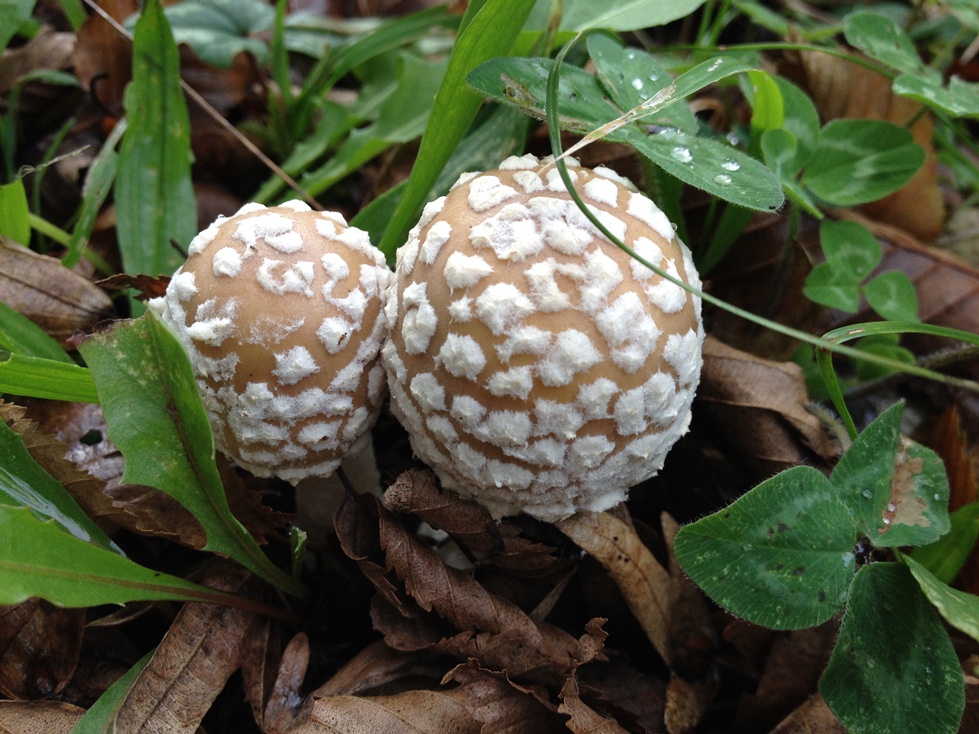
Amanita rubescens Pers.

Amanita rubescens5

ALL

ადგილობრივი სახელწოდება
მარწყვიო (1).

აღწერა
ქუდი — 4–16 სმ-მდე დიამეტრის. თავდაპირველად ნახევარსფეროსებრი ან კვერცხისებრი, შემდეგ ბრტყლად ამოზნექილ-ამობურცული, მოყვითალო-მოთეთრო ფიფქებით დაფარული ზედაპირით, მოვარდისფრო-ჭუჭყისფერი. ფირფიტები მოთეთრო, ხშირი, განიერი, თავისუფალი, შეხებისას წითლდება. ფეხი — 5–15 სმ-მდე სიგრძის და 1–4 სმ-მდე სისქის, ცილინდრული, თავდაპირველად მკვრივი და მთლიანი, შემდეგ ფუყე, ძირისკენ ბოლქვისებრ გაფართოებულ-გამსხვილებული, მოვარდისფრო-მოთეთრო, ბორცვებიან-ხორკლებიან-ქერცლოვანი ზედაპირით. რბილობი — ხორცოვანი ან თხელხორცოვანი, თეთრი ან მოთეთრო, სუსტად გამოხატული სუნით და გემოთი, გადატეხვისას ჰაერზე ფერს იცვლის ღია მოვარდისფროდან ღვინისფერ-მოვარდისფრომდე. სპორები — ელიფსური, ამილოიდური, უფერული-მოთეთრო, 6–10.5 X 4–6.5 მკმ.
ჰაბიტატი — იზრდება ნიადაგზე, როგორც ფოთლოვან, ისე წიწვოვან ტყეში, ზაფხულ-შემოდგომით.
გავრცელება — მთელ საქართველოში (2).

გამოყენება
საჭმელ სოკოდ ითვლება, საკვებად გამოიყენება ახალი, წინასწარ უნდა გაითუთქოს 15-20 წუთის განმავლობაში (1).

იმერეთი — „მარწყვიოს ან ცალკე ვხრაკავთ, თუ ცოტაა მაშინ ხრაშუნა სოკოებთან ერთად“ (3).

წყარო
1. ნახუცრიშვილი, ი. (2007) საქართველოს სოკოები. თბილისი: ბუნება პრინტი.
2. ნახუცრიშვილი, ი., ყანჩაველი, ქ. და სხვ. (1986) საქართველოს სპოროვან მცენარეთა ფლორა (კონსპექტი). საქ. სსრ მეცნ. აკად., ნ. კეცხოველის სახ. ბოტანიკის ინ-ტი. – თბილისი: მეცნიერება (რუსულად).
3. ცარციძე, ნ. (2016) სოფ. ჩაშორა, საჩხერე.

Local Name
Marts’q’vio (1).

Description
Cap: The cap is 5–15 cm across, convex, becoming broadly convex or flat, dry or slightly sticky, adorned with with numerous felty warts that are bright yellow and densely packed at first, but soon spread and fade, becoming pinkish, grayish or dull tan, surface dull brassy yellow to dull brown when young, becoming flushed with red shades, and eventually turning reddish brown to tan or brown, the margin typically not lined. Gills are free from the stem or or narrowly attached to it, white, sometimes discoloring reddish, close or crowded, short-gills numerous. Stem: The stem is 5–10 cm tall, 0.5–2 cm thick, more or less equal, or sometimes slightly enlarged toward base, the base indistinct to bulbous, generally without universal veil remnants, without a rim, white at first, becoming stained pinkish to dirty red, bald or finely hairy, with a fragile, persistent ring. Flesh: The flesh is white or whitish throughout, discoloring slowly pale pinkish red, especially around worm holes. Spores: The spores are 6–10.5 X 4–6.5 µm, broadly ellipsoid to subglobose, amyloid, colourless or pale white.
Habitat: On soils, in mixed coniferous and leafy forests. Season: Summer, autumn.
Distribution: All regions of Georgia (2).

Uses
Edibility: Edible when fresh (must be boiled first for at least 15-20 minutes) (1).

Imereti — “Usually we fry mushroom separately, but if the amount of them is too small — then we fry them also with other mushrooms” (3).

References
1. Nakhutsrishvili, I.G. (2007) Fungi of Georgia. Tbilisi: Buneba Printi.
2. Nakhutsrishvili, I.G., et al. (1986) Flora of Spore-producing Plants of Georgia (Summary). Tbilisi: Metsniereba (Russian).
3. Tsartsidze, N. (2016) Vlg. Chashora, Sachkhere.

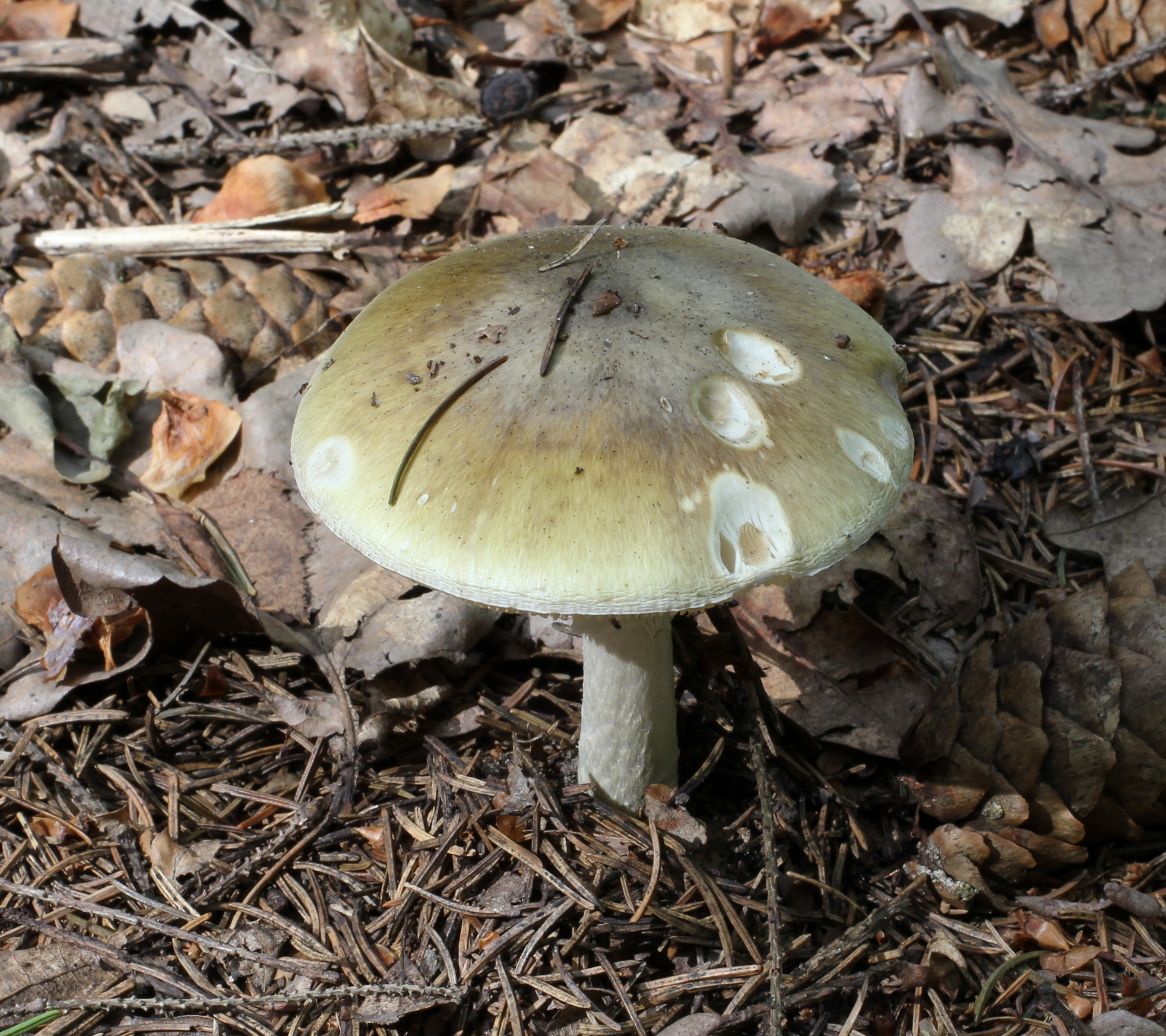
Amanita phalloides (Vaill. ex Fr.) Link

Amanita phalloides

Amanita phalloides

ადგილობრივი სახელწოდება
შხამა (1).

აღწერა
ქუდი — 5–15 სმ-მდე დიამეტრის. თავდაპირველად ნახევარსფეროსებრი, შემდეგ ბრტყლად ამოზნექილი, გლუვი ზედაპირით, ზეთისხილისფერი, მოყვითალო-მომწვანო, მურა-წენგოსფერი. ფირფიტები მოთეთრო, რბილი, თავისუფალი. ფეხი — 5–10 სმ-მდე სიგრძის და 0.5–2 სმ-მდე სისქის, ცილინდრული, ფუყე, ძირისკენ ბოლქვისებრ გაფართოებულ-გამსხვილებული, მოთეთრო-მოყვითალო პარკისებრ ვოლვაში ჩამჯდარი, გააჩნია მოთეთრო-მოყვითალო-მომწვანო საყელო. რბილობი — ხორცოვანი, თეთრი ან მოთეთრო, სუსტად გამოხატული მოტკბო სუნით და გემოთი, გადატეხვისას ჰაერზე ფერს არ იცვლის. სპორები — თითქმის სფეროსებრი, ამილოიდური, მოთეთრო-უფერული, 7–12.5 X 6–8.5 მკმ.
ჰაბიტატი — იზრდება ნიადაგზე, როგორც ფოთლოვან, ისე წიწვოვან ტყეში, ზაფხულ-შემოდგომით.
გავრცელება — აფხაზეთი, კახეთი (2).

გამოყენება
ერთ-ერთი ყველაზე შხამიანი სოკოა (1).

წყარო
1. ნახუცრიშვილი, ი. (2007) საქართველოს სოკოები. თბილისი: ბუნება პრინტი.
2. ნახუცრიშვილი, ი., ყანჩაველი, ქ. და სხვ. (1986) საქართველოს სპოროვან მცენარეთა ფლორა (კონსპექტი). საქ. სსრ მეცნ. აკად., ნ. კეცხოველის სახ. ბოტანიკის ინ-ტი. – თბილისი: მეცნიერება (რუსულად).

Local Name
Shkhama (1).

Description
Cap: The cap is 5–15 cm across, nearly round or oval at first, becoming convex, then broadly convex to flat in age, bald, sticky when wet, shiny when dry, color ranging from dull green to olive to yellowish to brownish. Gills are free from the stem or nearly so, white (sometimes with a slight greenish tint), close or crowded. Stem: The stem is 5–10 cm tall, 0.5–2 cm thick, more or less equal, or frequently tapering to apex and flaring to a swollen base, bald or finely hairy, white or with tints of the cap color; with a white, skirtlike ring that typically persists but is sometimes lost, with a sacklike white volva encasing the base. Flesh: The flesh is white or whitish, not discoloring on exposure, or odor sickly sweet becoming disagreeable. Spores: The spores are 7–12.5 X 6–8.5 µm, broadly ellipsoid to subglobose, amyloid, colourless or pale white.
Habitat: On soils, in mixed coniferous and leafy forests. Season: Summer, autumn.
Distribution: Abkhazeti, Kakheti (2).

Uses
Edibility: Poisonous (1).

References
1. Nakhutsrishvili, I.G. (2007) Fungi of Georgia. Tbilisi: Buneba Printi.
2. Nakhutsrishvili, I.G., et al. (1986) Flora of Spore-producing Plants of Georgia (Summary). Tbilisi: Metsniereba (Russian).

Photo: Amanita phalloides

Amanita pantherina (DC.) Krombh.

Amanita pantherina

ALL

ადგილობრივი სახელწოდება
თავჭედილა (1).

აღწერა
ქუდი — 4–12 სმ-მდე დიამეტრის. თავდაპირველად ნახევარსფეროსებრი, შემდეგ ბრტყლად ამოზნექილი, მოთეთრო ფიფქებით დაფარული გლუვი ზედაპირით, მოყვითალო-მომწვანო-მურა-ჭუჭყისფერი. ფირფიტები მოთეთრო, ხშირი, ფეხთან შეზრდილი არ არის, ზოგჯერ მურა ლაქებით. ფეხი — 5–15 სმ-მდე სიგრძის და 1–2 სმ-მდე სისქის, ცილინდრული, ფუყე, ძირისკენ ბოლქვისებრ გაფართოებულ-გამსხვილებული, კონცენტრული რგოლებით, გააჩნია მოთეთრო საყელო. რბილობი — თეთრი ან მოთეთრო, მყიფე, უსიამოვნო სუნით და მოტკბო გემოთი, გადატეხვისას ჰაერზე ფერს არ იცვლის. სპორები — განიერ-ელიფსური, გლუვი, უფერული-მოთეთრო, 8–13.5 X 6–9.5 მკმ.
ჰაბიტატი — იზრდება ნიადაგზე, როგორც ფოთლოვან, ისე წიწვოვან ტყეში, ზაფხულ-შემოდგომით.
გავრცელება — მთელ საქართველოში (2).

გამოყენება
შხამიანი სოკოა (1).

წყარო
1. ნახუცრიშვილი, ი. (2007) საქართველოს სოკოები. თბილისი: ბუნება პრინტი.
2. ნახუცრიშვილი, ი., ყანჩაველი, ქ. და სხვ. (1986) საქართველოს სპოროვან მცენარეთა ფლორა (კონსპექტი). საქ. სსრ მეცნ. აკად., ნ. კეცხოველის სახ. ბოტანიკის ინ-ტი. – თბილისი: მეცნიერება (რუსულად).

Local Name
Tavch’edila (1).

Description
Cap: The cap is 4–12 cm across, convex, becoming broadly convex or flat, sticky when fresh, brown to tan or yellowish brown, bald, adorned with numerous cottony, whitish warts. Gills are free from the stem or nearly so, white, crowded, short-gills frequent. Stem: The stem is 5–15 cm tall, 1–2 cm thick, tapering to apex and ending in a swollen basal bulb, somewhat scaly or fairly bald, whitish, with a skirtlike, whitish ring above, and a roll of tissue from the universal veil forming the upper margin of the bulb or, occasionally, with concentric rings of volval material. Flesh: The flesh is white, not discoloring on exposure, or turning slightly yellowish in the stem. Spores: The spores are 8–13.5 X 6–9.5 µm, broad elliptical, smooth, colourless or pale white.
Habitat: On soils, in mixed coniferous and leafy forests. Season: Summer, autumn.
Distribution: All regions of Georgia (2).

Uses
Edibility: Poisonous (1).

References
1. Nakhutsrishvili, I.G. (2007) Fungi of Georgia. Tbilisi: Buneba Printi.
2. Nakhutsrishvili, I.G., et al. (1986) Flora of Spore-producing Plants of Georgia (Summary). Tbilisi: Metsniereba (Russian).

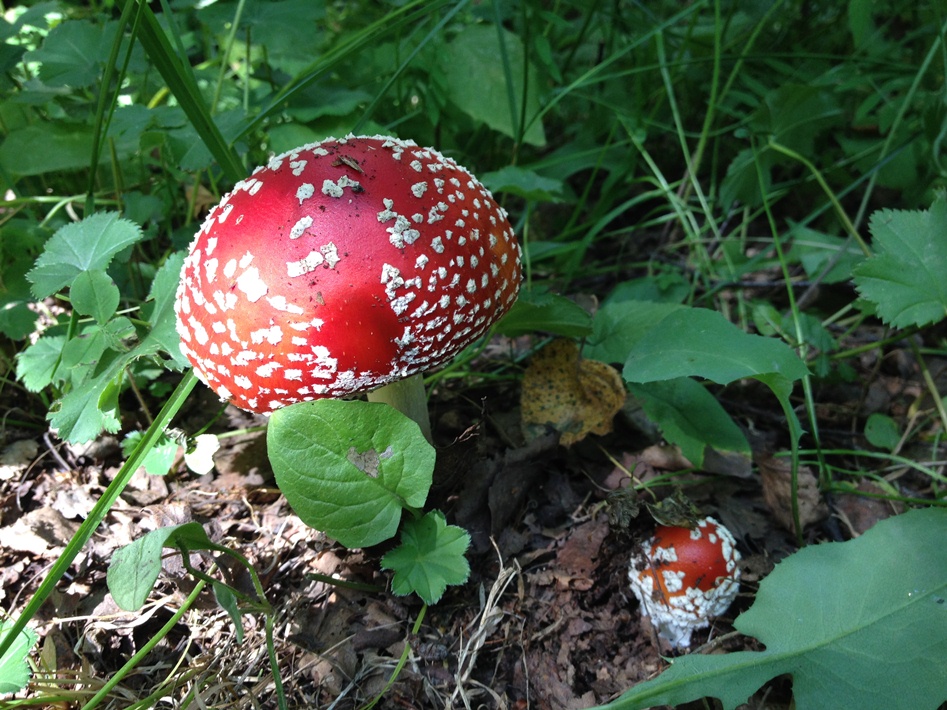
Amanita muscaria (L.) Lam.

Amanita muscaria

ALL

ადგილობრივი სახელწოდება
ცადამაყვანა (1), შხამა–სოკო, ჯღავანა–სოკო, წითელი შხამა (ქართლ.) (2), სად მომგლიჯე (3), სადმამწყვიტე (4), საღივარა (თუშ.) (5), გადამრევა (რაჭ.) (6).

აღწერა
ქუდი — 5–20 სმ-მდე დიამეტრის. თავდაპირველად ნახევარსფეროსებრი, შემდეგ გაშლილი, მოთეთრო ფიფქებით დაფარული წებოვანი ზედაპირით, მუქი წითელი ან მოწითალო-ნარინჯისფერი, დაზოლილი კიდეებით. ფირფიტები მოყვითალო-მოთეთრო, თავისუფალი. ფეხი — 6–16 სმ-მდე სიგრძის და 1–2 სმ-მდე სისქის, ცილინდრული, ძირისკენ ბოლქვისებრ გაფართოებულ-გამსხვილებული, მოყვითალო ან მოთეთრო. რბილობი — თეთრი, კანქვეშ ღია მოყვითალო ან ღია მონარინჯისფრო ელფერით. სპორები — ელიფსური, გლუვი, უფერული-მოთეთრო, 9–10 X 7–8 მკმ.
ჰაბიტატი — იზრდება ნიადაგზე, როგორც წიწვოვან, ისე ფოთლოვან ტყეში, ზაფხულ-შემოდგომით.
გავრცელება — მთელ საქართველოში (7).

თუშეთი — „რომელიც კაცს აგიჟებს. საღივარა ზოკო რო შჭამოვ, იციან, სად მომწყვიტევ აძახებიებსავ“ (5). რაჭა — „გადამრევა ქუდიანი სოკოა, ზემოდან წითელი, ქვემოდან თეთრი. არ იჭმება, შხამიანია“ (6), „არსებობს სოკო გარდამრიებ, იტყვიან მის ნაჭამს სოკო, თავის შეგროვების ადგილას მიიყვანსო“ (8).

გამოყენება
შხამიანი სოკოა (1).

წყარო
1. ნახუცრიშვილი, ი. (2007) საქართველოს სოკოები. თბილისი: ბუნება პრინტი
2. მაყაშვილი, ა. (1991) ბოტანიკური ლექსიკონი: მცენარეთა სახელწოდებანი. საქ. მეცნ. აკად., ნ. კეცხოველის სახ. ბოტანიკის ინ-ტი. – მე-3 გამოცემა. თბილისი: მეცნიერება.
3. ბაგრატიონი, იოანე (1986) საბუნებისმეტყველო განმარტებითი ლექსიკონი. თბილისი: მეცნიერება.
4. ორბელიანი, სულხან-საბა (1991) ლექსიკონი ქართული. საქ. მეცნ. აკად., ხელნაწერთა ინ-ტი. – თბილისი: მერანი
5. ცოცანიძე, გ. (2012) თუშური ლექსიკონი. თბილისი: ბაკურ სულაკაურის გამ-ბა.
6. კობახიძე, ა. (1987) რაჭული დიალექტის ლექსიკონი. საქ. სსრ მეცნ. აკად., ენათმეცნ. ინ-ტი – თბილისი: მეცნიერება.
7. ნახუცრიშვილი, ი., ყანჩაველი, ქ. და სხვ. (1986) საქართველოს სპოროვან მცენარეთა ფლორა (კონსპექტი). საქ. სსრ მეცნ. აკად., ნ. კეცხოველის სახ. ბოტანიკის ინ-ტი. – თბილისი: მეცნიერება (რუსულად).
8. მელაშვილი, ნ. (2014) სოფ. ურავი, ამბროლაური.

Local Name
Tsadamaq’vana (1), Shkhama–sok’o, Jghavana–sok’o, Ts’iteli shkhama (kartl.) (2), Sad momglije (3), Sadmamts’q’vit’e (4), Saghivara (tush.) (5), Gadamreva (rach.) (6).

Description
Cap: The cap is 5–20 cm across, globose or hemispherical at first then flattening, bright scarlet covered with distinctive white pyramidal warts which may be washed off by rain leaving the cap almost smooth and the colour fades. Gills are free from the stem, whitish-yellowish. Stem: The stem is 6–16 cm tall, 1–2 cm thick, white, often covered in shaggy volval remnants as is the bulbous base, the white membranous ring attached to the stem apex sometimes becoming flushed yellow from the pigment washed off the cap. Flesh: The flesh is white, tinged red or yellow below the cap cuticle. Spores: The spores are 9–10 X 7–8 µm, elliptical, smooth, colourless or pale whitish.
Habitat: On soils, in mixed coniferous and leafy forests. Season: Summer, autumn.
Distribution: All regions of Georgia (7).

Uses
Edibility: Poisonous (1).

Tusheti — “Saghivara mushroom can drive mad those who will eat it” (5). Racha — “Gadamreva is a mushroom with red cap and is white from the bottom, non edible, because it’s poisonous” (6), “There is a mushroom with the name “Gardamrieb”, if someone will eat it, mushroom will force that person to return to the exact place where this mushroom were found” (8).

References
1. Nakhutsrishvili, I.G. (2007) Fungi of Georgia. Tbilisi: Buneba Printi.
2. Nakhutsrishvili, I.G., et al. (1986) Flora of Spore-producing Plants of Georgia (Summary). Tbilisi: Metsniereba (Russian).
3. Bagrationi, Ioane (1986) The Explanatory Dictionary of Natural Science. Tbilisi: Metsniereba.
4. Orbeliani, Sulkhan-Saba (1991) Georgian Dictionary. Tbilisi: Merani.
5. Tsotsanidze, G. (2012) Tushetian dictionary. Tbilisi: Bakur Sulakauri Publishing.
6. Kobakhidze, A. (1987) Dictionary of the Rachan Dialect. Tbilisi: Metsniereba.
7. Nakhutsrishvili, I.G., et al. (1986) Flora of Spore-producing Plants of Georgia (Summary). Tbilisi: Metsniereba (Russian).
8. Melashvili, N. (2014) Vlg. Uravi, Ambrolauri.

Amanita citrina Pers.

IMG_1311

ALL

ადგილობრივი სახელწოდება
ბილწა სოკო (1).

აღწერა
ქუდი — 5–10 სმ-მდე დიამეტრის, სქელხორცოვანი, თავდაპირველად ნახევარსფეროსებრი, შემდეგ გაშლილი, მოყვითალო-მონაცრისფრო ან მომწვანო შეფერილობის, ზოგჯერ მოთეთრო-ჭუჭყისფერი, ზედაპირზე მოთეთრო ქერცლებით. ფირფიტები ხშირი, თავისუფალი, ვიწრო, მოთეთრო, ზოგჯერ მოყვითალო კიდეებით. ფეხი — 5–12 სმ-მდე სიგრძის და 1–2 სმ-მდე სისქის, ოდნავ შებუსვილი ზედაპირით, თეთრი ან მოყვითალო, ძირისკენ გამსხვილებული, ძირში ბოლქვისებრ გასქელებული. რბილობი — მოთეთრო-მონაცრისფრო-მურა, ფეხის ძირთან მოყვითალო, ძირისკენ გამსხვილებულ ფეხის ნაწილში მონარინჯისფრო, დამახასიათებელი ფენოლის არასასიამოვნო სუნით (ე.წ. „აფთიაქის სუნი“). სპორები — ელიფსური, გლუვი, მურა-მეწამული, 6 X 9 მკმ.
ჰაბიტატი — იზრდება ნიადაგზე, მინდვრებში, ბაღ-პარკებში, ზაფხულ-შემოდგომით.
გავრცელება — მთელ საქართველოში (2).

გამოყენება
შხამიანი სოკოა, იწვევს საჭმლის მომნელებელი სისტემის მოშლას (1).

წყარო
1. ნახუცრიშვილი, ი. (2007) საქართველოს სოკოები. თბილისი: ბუნება პრინტი
2. ნახუცრიშვილი, ი., ყანჩაველი, ქ. და სხვ. (1986) საქართველოს სპოროვან მცენარეთა ფლორა (კონსპექტი). საქ. სსრ მეცნ. აკად., ნ. კეცხოველის სახ. ბოტანიკის ინ-ტი. – თბილისი: მეცნიერება (რუსულად).

Local Name
Bilts’a sok’o (1).

Description
Cap: The cap is 5–10 cm across, convex to broadly convex or nearly flat in age, sticky when fresh, adorned with soft, grayish to whitish, brownish, or purplish patches or warts when young, bald, pale greenish yellow, fading quickly to nearly white. Gills are free from the stem, close or crowded, short-gills frequent, creamy or sometimes yellowish in age. Stem: The stem is 5–12 cm tall, 1–2 cm thick, more or less equal, but with an abruptly bulbous base, the base sometimes longitudinally “chiseled” or split, with a with a fairly persistent, skirtlike, white or pale yellow ring, bald or finely hairy, whitish, sometimes discoloring purple to brownish. Flesh: The flesh is white throughout, unchanging when sliced, taste unpleasant, smelling strongly of raw potatoes. Spores: The spores are 6 X 9 µm, elliptical, smooth, brownish.
Habitat: On soils, in grass and in cultivated areas. Season: Summer, autumn.
Distribution: All regions of Georgia (2).

Uses
Edibility: Poisonous. The symptoms are severe stomach cramps (1).

References
1. Nakhutsrishvili, I.G. (2007) Fungi of Georgia. Tbilisi: Buneba Printi.
2. Nakhutsrishvili, I.G., et al. (1986) Flora of Spore-producing Plants of Georgia (Summary). Tbilisi: Metsniereba (Russian).

Amanita caesarea (Scop.) Pers.


Amanita caesarea


ადგილობრივი სახელწოდება
ნიყვი (1), სოკოწითელა (იმერ), სოკოკვერცხა (გურ.) (2), მალქვალა, სოკოწითელა (3), მარქვალიშ (მეგრ.), ფიფი (მეგრ.) (4), მარქვალა (გურ.) (5), ნეყვ (სვან.) (6).

აღწერა
ქუდი — 8–20 სმ-მდე დიამეტრის. თავდაპირველად ნახევარსფეროსებრი, შემდეგ გაშლილი, მოთეთრო, საკმაოდ დიდი ფიფქებით დაფარული ზედაპირით, მათი გაქრობის შემდეგ გლუვი, მოწითალო-ნარინჯისფერი, დაზოლილი კიდეებით. ფირფიტები მოყვითალო-ოქროსფერი, თავისუფალი, ხშირი, შუაში განიერი, კიდეებთან ზოგჯერ ფოჩისებრი. ფეხი — 8–14 სმ-მდე სიგრძის და 2–4 სმ-მდე სისქის, ცილინდრული, გლუვი, ძირისკენ ბოლქვისებრ გაფართოებულ-გამსხვილებული, გააჩნია საკმაოდ განიერი მოყვითალო საყელო. რბილობი — ხორცოვანი, ქუდის კანქვეშ ღია მოყვითალო ელფერით, ფეხის კანქვეშ კი თეთრი ან მოთეთრო, რაიმე დამახასიათებელი ან განსაკუთრებული სუნის და გემოს გარეშე. სპორები — განიერ-ელიფსური, მურა-მეწამული, 9–13 X 5–10 მკმ.
ჰაბიტატი — იზრდება ნიადაგზე, სუბალპურ ტყის პირებში, სუბალპურ მდელოზე, ზაფხულ-შემოდგომით.
გავრცელება — დასავლეთ საქართველოში (7).

გამოყენება
ითვლება კარგ საჭმელ სოკოდ, საკვებად გამოიყენება ახალი (1).

იმერეთი — „ვაგროვებ ნიყვს, ბევრი არაა, თუ ბევრია მაშინ ხახვში და ზეთში ვშუშავ და ზამთრისთვის ვინახავ“ (8), „ მთელ იმერეთში ნიყვი არსად რომ არ იყოს, რცხილათში მაინც იქნება“ (9). რაჭა — „ნიყვი როცა ბევრია, ზამთრისთვის ვახმობთ“ (10). გურია — „ თავიდან მრგვალია, წითელი, მერე ამოდის და იშლება“ (11). ქართლი — „ნიყვი ძალიან იშვიათია ჩვენსკენ, არადა გემრიელია“ (12). კახეთი — „ ნიყვი აქაც იცის , ოღონდ ცოტაა, ეგ სოკოების მეფეა“ (13), „ნიყვი, ძირითადად დასავლეთში არის, მაგრამ აქაც შეგვხვდება რამოდენიმე ადგილას“ (14).

შენიშვნა: ნიყვს საქართველოს თითქმის ყველა რეგიონში ცნობენ და ითვლება ყველაზე გემრიელ სოკოდ, მას სოკოების მეფედ მოიხსენიებენ.

წყარო
1. ნახუცრიშვილი, ი. (2007) საქართველოს სოკოები. თბილისი: ბუნება პრინტი.
2. მაყაშვილი, ა. (1991) ბოტანიკური ლექსიკონი: მცენარეთა სახელწოდებანი. საქ. მეცნ. აკად., ნ. კეცხოველის სახ. ბოტანიკის ინ-ტი. – მე-3 გამოცემა. თბილისი: მეცნიერება.
3. ორბელიანი, სულხან-საბა (1991) ლექსიკონი ქართული. საქ. მეცნ. აკად., ხელნაწერთა ინ-ტი. – თბილისი: მერანი
4. ქობალია, ა. (2010) მეგრული ლექსიკონი. – თბილისი: არტანუჯი.
5. თანდილავა, ა. (2013) ლაზური ლექსიკონი (ლაზური ნენაფუნა). არნ. ჩიქობავას სახ. ენათმეცნ. ინ-ტი. – თბილისი: საარი
6. ონიანი, ა. (1917) მეგმარეშ ი ბალხარე ჟახელე ხორავ. – პეტროგრადი: მახლარე-აკადემიაი ლებქედარ (სვანურად).
7. ნახუცრიშვილი, ი., ყანჩაველი, ქ. და სხვ. (1986) საქართველოს სპოროვან მცენარეთა ფლორა (კონსპექტი). საქ. სსრ მეცნ. აკად., ნ. კეცხოველის სახ. ბოტანიკის ინ-ტი. – თბილისი: მეცნიერება (რუსულად).
8. ტყაბლაძე, ი. (2016) სოფ. ყუმისთავი, წყალტუბო.
9. კუპატაძე, ზ. (2016) ჭიათურა.
10. მელაშვილი, ნ. (2014) სოფ. ურავი, ამბროლაური.
11. ღლონტი, მ. (2016) ლანჩხუთი.
12. მოძღვრისშვილი, გ. (2015) სოფ. საგურამო, მცხეთა.
13. ჩადუნელი, ზ. (2015) სოფ. გურგენიანები, ლაგოდეხი.
14. ბრეკაშვილი, ლ. (2015) სოფ. ზემო ბოდბე, სიღნაღი.

Local Name
Niq’vi (1), Sokots’itela (imer.), Sokokvertskha (gur.) (2), Malkvala, Sokots’itela (3), Markvalish (megr.), Pipi (megr.) (4), Markvala (gur.) (5), Neq’v (svan.) (6).

Description
Cap: The cap is 8–20 cm across, ovoid or hemispherical becoming expanded convex, clear orange-red, fading or ageing more yellowish, smooth and slightly viscid, finely lined at the margin. Gills are free and crowded, yellow. Stem: The stem is 8–14 cm tall, 2–4 cm thick, yellow with a large yellow pendulous ring which is often striate, the basal bulb is encased in a large, white bag-like volva. Flesh: The flesh is white or whitish, distinctly yellow below the cap cuticle. Spores: The spores are 9–13 X 5–10 µm, broad elliptical, brownish.
Habitat: On soils, in mountain meadows (subalpine areas). Season: Summer, autumn.
Distribution: Western Georgia (7).

Uses
Edibility: They are considered one of the best of the edible fungi, usually when they are fresh (1).

Imereti — “I hunt and gather these mushrooms (Niq’vi), although usually it’s hard to find them. But if the amount of them is quite large then I fry them in oil with onion. It’s also my favorite way to store mushrooms for the winter” (8), “Even if nobody will be able to find these mushrooms (Niq’vi) in the whole region of Imereti, in the Village Rtskhilati (Chiatura Municipality), however, I’m sure you will find them” (9). Racha — “When the amount of these mushrooms is quite large we dry them, to store for the winter, because one of the good ways to keep mushrooms around is to dry them” (10). Guria — “At first Niq’vi is roundish, reddish, then becomes flat” (11). Kartli — “Niq’vi is very rare in our region, although, I know that these mushrooms are very appetizing and taste wonderful” (12). Kakheti — “Sometimes you can find Niq’vi here, but in very small amount, this is the “King” of the mushrooms” (13), “Mainly Niq’vi can be found in Western Georgia, but there are a few places, where sometimes you can also find them here” (14).

Note: Niq’vi is well known in almost every region of Georgia and is considered by many as the most delicious and tasty mushroom. Niq’vi is often called the “King” of the mushrooms.

References
1. Nakhutsrishvili, I.G. (2007) Fungi of Georgia. Tbilisi: Buneba Printi.
2. Makashvili, A. (1991) Botanical Dictionary. Tbilisi: Metsniereba.
3. Orbeliani, Sulkhan-Saba. (1991) Georgian Dictionary. Tbilisi: Merani.
4. Kobalia, A. (2010) Megrelian Dictionary. Tbilisi: Artanuji Publishing.
5. Tandilava, A. (2013) Laz Dictionary. Tbilisi: Publishing House Saari.
6. Oniani, A. (1917) Collection of Svanetian Names of Trees and Shrubs (on Lashkhuri Dialect), Materials on Japhetic linguistics. Vol. VIII. Petrograd: Academy of Sciences Press.
7. Nakhutsrishvili, I.G., et al. (1986) Flora of Spore-producing Plants of Georgia (Summary). Tbilisi: Metsniereba (Russian).
8. Tkabladze, I. (2016) Vlg. Kumistavi, Tskaltubo.
9. Kupatadze, Z. (2016) Chiatura.
10. Melashvili, N. (2014) Vlg. Uravi, Ambrolauri.
11. Ghlonti, M. (2016) Lanchkhuti.
12. Modzghvrisshvili, G. (2015) Vlg. Saguramo, Mtsketa.
13. Chaduneli, Z. (2015) Vlg. Gurgeniani, Lagodekhi.
14. Brekashvili, L. (2015) Vlg. Zemo Bodbe, Sighnaghi.